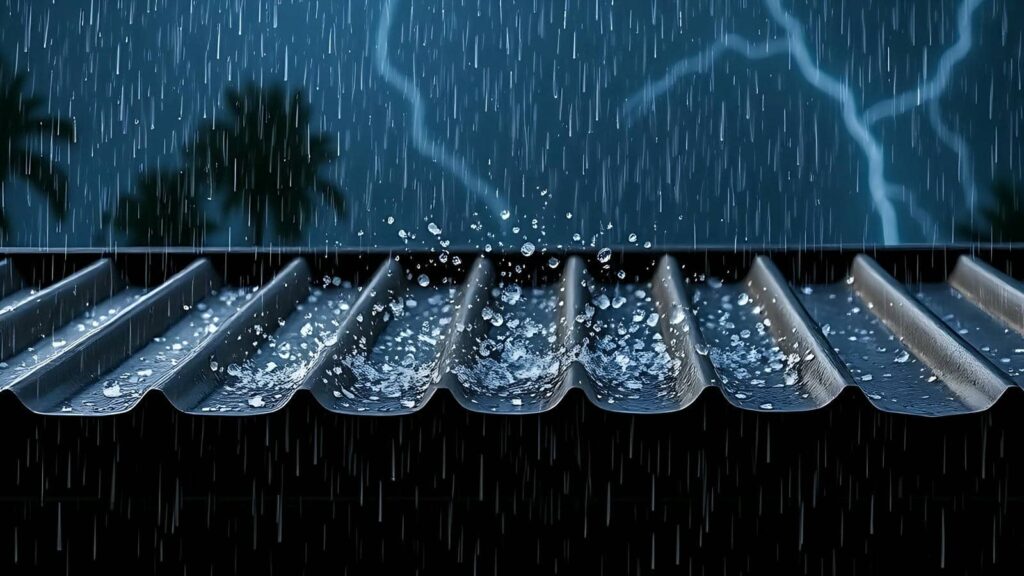
Imagine standing beneath a once-sturdy roof, now battered and vulnerable after a fierce storm. It’s easy to overlook hidden damage that could jeopardize your home’s safety and value. Conducting thorough roof inspections immediately after a storm is essential. You might be surprised by what you find and how it can impact your property. Understanding the nuances of storm damage is critical for maintaining your home’s integrity and protecting your investment.
Key Takeaways
- Timely roof inspections identify hidden damage, preventing neglect and further complications after storms.
- Regular inspections enhance roof durability, ensuring structural integrity and protecting home value.
- Documenting storm-related damage supports insurance claims, making it easier to recover costs.
- Early detection of issues through inspections can save homeowners from costly repairs later.
- Inspecting roofs after storms provides peace of mind by ensuring safety and reliability.
Understanding Storm Damage to Roofs
When storms hit, understanding the types of damage they can inflict on roofs is essential for homeowners. The storm impact can vary widely, from intense winds that lift shingles to heavy rainfall that seeps into the structure. Recognizing these threats helps you assess your roof’s resilience.
For instance, if you’ve got an aging roof, it’s more susceptible to damage compared to a newer, sturdier one.
Moreover, hail can create dents and cracks, compromising your roof’s integrity. Debris can also puncture the surface, leading to leaks.
By understanding these potential damages, you can take proactive steps to bolster your roof’s resilience before the next storm strikes. Investing in quality materials and regular maintenance preserves your home’s value and fosters a sense of security within your community.
Protecting your roof means safeguarding your sanctuary, promoting the well-being of your family and neighbors alike.
Signs of Roof Damage After a Storm
After a storm, you should carefully inspect your roof for signs of damage that could lead to costly repairs.
Look for missing or damaged shingles, as these can expose your home to leaks and water stains.
Additionally, be aware of debris accumulation, which can create further risks if left unattended.
Missing or Damaged Shingles
Though storms can bring much-needed rain, they often leave behind a trail of destruction, particularly on your roof. One of the most common signs you need to address roof damage is missing or damaged shingles. It’s crucial to inspect your roof post-storm to ensure its integrity.
Here are three key indicators:
Missing shingles: If you notice patches where shingles are absent, it’s time for shingle replacement.
Curling or buckling: Damaged shingles can compromise your roof’s protective layer, affecting its longevity.
Granule loss: Excess granules in your gutters indicate shingle wear, which requires immediate attention.
Regular roof maintenance prevents further damage and ensures your home’s safety and value.
Don’t wait; address these issues promptly.
Leaks and Water Stains
A sudden leak or the appearance of water stains on your ceiling can signal serious roof damage following a storm. These signs often indicate that water has infiltrated your home, potentially compromising structural integrity and creating an environment for mold growth.
Immediate leak detection is vital; ignoring these indicators can lead to costly repairs and health risks. It’s important to identify the source of the leak promptly.
Professional water remediation services can help address any water damage and prevent further issues. By conducting thorough inspections after storms, you protect your investment and ensure a safe, comfortable living space for you and your loved ones.
Don’t wait until it’s too late—act swiftly to secure your home.
Debris Accumulation Risks
Following a storm, debris accumulation on your roof can pose significant risks that may not be immediately apparent. If left unaddressed, this debris can lead to serious damage.
To maintain your roof’s integrity, consider these risks:
Water Damage: Debris can trap moisture, leading to leaks and mold growth.
Structural Weakness: Accumulated debris adds weight, potentially compromising your roof’s stability.
Pest Infestation: Organic debris can attract pests, resulting in further damage.
Regular debris removal is vital for storm preparedness.
Conducting roof inspections after storms facilitates catching these issues early, protecting your home and investment.
Importance of Timely Roof Inspections
When severe storms pass through, the need for timely roof inspections becomes critical, as neglecting potential damage can lead to costly repairs down the line. By conducting these inspections promptly, you engage in preventative maintenance, ensuring your roof remains structurally sound and effective in protecting your home.
This proactive approach saves you money and enhances your peace of mind.
Additionally, timely inspections can influence insurance considerations. Many policies require homeowners to demonstrate due diligence in maintaining their properties. By documenting your inspections and any necessary repairs, you bolster your case should you need to file a claim due to storm-related damage.
Safety Precautions During Roof Inspections
After confirming your roof is inspected promptly, it’s essential to prioritize safety during the inspection process.
Roof safety is paramount, especially after a storm. To protect yourself, follow these key precautions:
Wear Appropriate Inspection Gear: Use a hard hat, non-slip shoes, and a harness if you’re working at heights. This gear minimizes injury risks.
Inspect from the Ground First: Before climbing, assess visible damage from the ground. Look for sagging, missing shingles, or debris that could pose a danger.
Check Weather Conditions: Confirm the weather is stable before starting your inspection. Avoid wet or windy days, as they can increase slip hazards.
Common Types of Roof Damage to Look For
Identifying common types of roof damage is essential for maintaining the integrity of your home after a storm. Start by looking for missing shingles, as they can lead to water leaks and further damage.
Check for cracks or splits in shingles, which often indicate wear and tear. Pay attention to any sagging areas, as this can signal structural issues beneath the roof.
Inspect flashings around chimneys and vents; these can be easily dislodged and may allow water intrusion. Additionally, look for debris accumulation, which can trap moisture and promote mold growth.
Regular preventive maintenance is vital, so establish an inspection frequency that fits your area’s weather patterns. By being proactive, you can catch potential problems early, ensuring your home remains safe and secure for you and your loved ones.
Prioritizing these checks fosters a sense of belonging and care for your living space.
Tools Needed for Effective Roof Inspections
A thorough roof inspection requires the right tools to ensure you can detect any potential issues effectively.
Here are three essential inspection tools you should have on hand:
Roof Inspection Checklist: This helps you systematically assess all areas of the roof, ensuring you don’t overlook any important components.
Binoculars: Use binoculars to inspect hard-to-reach areas from the ground. They allow you to spot potential damage without risking your safety.
Flashlight: A powerful flashlight is vital for examining dark spaces, such as attics or under eaves, where hidden issues may lurk.
When to Call a Professional Roofer
After a storm, it’s essential to assess any visible damage to your roof, as this can indicate underlying issues.
If you notice leaks or water stains inside your home, or if there are concerns about the structural integrity of your roof, it’s time to call a professional roofer.
Addressing these problems promptly can prevent further damage and ensure your home remains safe and secure.
Visible Damage Assessment
Storm damage can manifest in several visible ways, and recognizing these signs early is crucial for maintaining your roof’s integrity.
Utilizing effective visual inspection techniques, you can identify key roof damage indicators that suggest it’s time to call a professional roofer.
Look for:
Missing or damaged shingles: Check for any shingles that are cracked, curled, or completely missing.
Debris accumulation: Inspect for branches or other debris that may have landed on your roof, potentially causing punctures.
Dents or granule loss: Examine the surface for dents or areas where granules have worn away, indicating underlying issues.
If you notice any of these signs, don’t hesitate to call a professional to ensure your roof remains strong and secure.
Leaks and Water Stains
Identifying leaks and water stains on your ceiling or walls is essential for preventing further damage to your home. When you notice discoloration or dampness, it’s important to act promptly. Effective leak detection can save you from costly repairs down the line.
Begin by pinpointing the source; stains may indicate ongoing moisture issues. If you’re unsure about stain identification or the extent of the damage, it’s wise to consult a professional roofer. They can provide a thorough inspection and a detailed assessment, ensuring no hidden problems persist.
Don’t wait until the situation worsens—proactive measures now can maintain your home’s value and comfort. Trust your instincts; if something feels off, reach out to an expert for peace of mind.
Structural Integrity Concerns
While many homeowners focus on visible damage, structural integrity concerns often lurk beneath the surface, demanding your immediate attention.
If you notice any of the following signs, it’s time to call a professional roofer for a thorough structural assessment:
Sagging Roof Lines: Any noticeable dips in your roof’s profile could indicate serious structural issues.
Cracked or Missing Support Beams: These are essential for maintaining roof stability; their failure can lead to catastrophic consequences.
Unusual Shifting or Movement: If your roof seems to shift, even slightly, it could signal compromised structural integrity.
Addressing these concerns promptly ensures your home remains safe and secure.
Don’t wait for minor issues to escalate into major problems—professional assessments can save you significant stress and expense down the line.
Documenting Roof Damage for Insurance Claims
After a severe weather event, documenting roof damage effectively is vital for a successful insurance claim. Start by taking clear photographs of any visible damage, including missing shingles, leaks, or structural issues. These images serve as essential insurance documentation, providing visual evidence to support your claim.
Make certain to capture different angles and close-ups to illustrate the extent of the damage.
Next, jot down detailed notes about the storm’s impact and the symptoms you notice on your roof. This information can greatly strengthen your claim process, as it establishes a timeline and context for the damage.
If possible, consult a professional roofing contractor for a thorough inspection. Their expert assessment can lend additional credibility to your documentation.
Maintaining Your Roof After Storm Damage
Once you’ve documented the damage and filed your insurance claim, it’s important to focus on maintaining your roof to prevent further issues.
Proper roof maintenance is essential, especially after a storm, as it helps ensure your home remains safe and secure.
Here are three key steps to take into account:
Inspect for Additional Damage: Regularly check for loose shingles, leaks, or debris that may have accumulated during the storm. Early detection can save you from costly repairs later.
Clear Gutters and Downspouts: Make certain your gutters are free of debris to ensure proper water drainage. Clogged gutters can lead to water buildup and damage to your roof.
Schedule Professional Inspections: Engage a qualified roofing contractor to assess your roof’s condition. Their expertise will help identify any hidden issues and improve your storm preparedness for the future.
Frequently Asked Questions
How Often Should I Inspect My Roof After a Storm?
You should inspect your roof immediately after a storm and then regularly every six months. This proactive roof maintenance ensures you’re prepared for future storms, preventing costly damage and maintaining your home’s integrity and value.
Can I Inspect My Roof Myself Without Prior Experience?
Absolutely, you can inspect your roof yourself, but remember—safety first! Take necessary safety precautions, like using sturdy ladders. Look for visible damage, but if unsure, consider consulting a professional for a thorough roof inspection.
What Are the Costs Associated With Professional Roof Inspections?
Professional services for roof inspections typically range from $100 to $500. Inspection costs depend on roof size, complexity, and location. Investing in a thorough inspection ensures you address potential issues before they escalate into costly repairs.
How Does Storm Damage Affect My Homeowner’s Insurance Policy?
Storm damage can considerably impact your homeowner’s insurance policy, leading to increased premiums or potential limits on future insurance claims if not properly documented.
What Should I Do if I Find Severe Damage During Inspection?
If you find severe damage during inspection, prioritize emergency repairs to prevent further issues. Document everything for insurance claims, including photos. Contact your insurance agent promptly to discuss coverage options and next steps for repairs.
Wrap-Up
In the aftermath of a storm, your roof stands as a sentinel, guarding your home against further chaos. By conducting timely inspections, you’re checking for damage while reinforcing the shield that protects your sanctuary. Each shingle represents your home’s resilience, and addressing issues promptly ensures your fortress remains intact. Embrace the responsibility of regular assessments, and let your roof serve as a symbol of security and peace of mind for you and your loved ones.